The periodic table of experiments
Every activity on this site sits on one table. Each tile shows the youngest age it suits, roughly how long it takes, and how much an adult needs to help. Tap a category to light it up, or pick a tile to jump straight to the steps.
Adult nearby: the child does it, an adult is in the room. Adult helps: an adult does one step, such as cutting or blowing up a balloon. Adult leads: hot water or another adult-only step.
How an hour of science works
- Ask (5 minutes). Read the activity together and turn it into a question, such as "Which liquid will sink to the bottom?"
- Predict (5 minutes). Everyone writes or draws a guess before anything happens. Guessing wrong is part of the fun.
- Set up safely (10 minutes). Clear the table, put down a tray, and let the adult do any hot, sharp or balloon steps.
- Test and watch (25 minutes). Run the experiment, then run it again. Change one thing if you have time.
- Record and tidy (15 minutes). Note what happened in a science notebook, wash hands, and clean up together.
These are rough guides. A three-year-old may be done in fifteen minutes, while a ten-year-old might spend a whole afternoon testing pendulums. Follow their interest.
Start with a topic
Kitchen chemistry
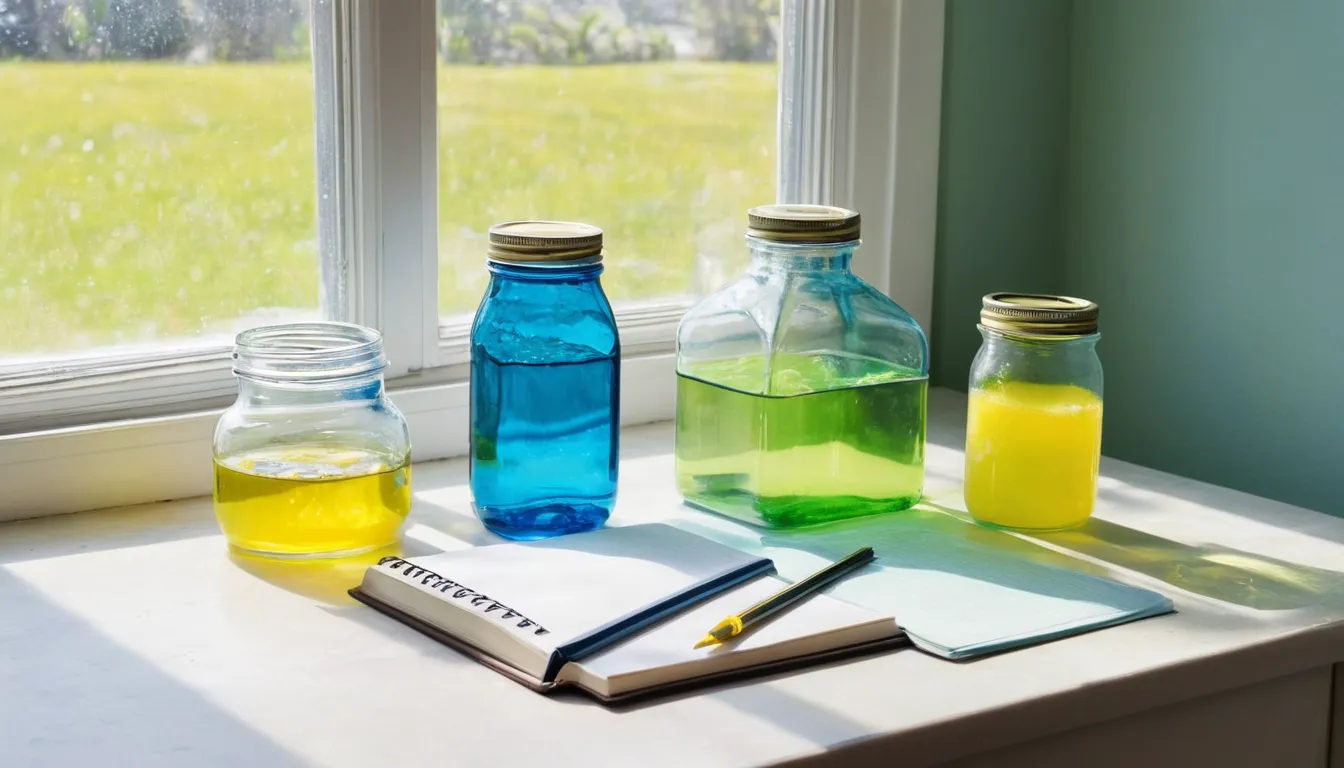
Fizzing balloons, cabbage color changes and layered liquids, made with ingredients from the cupboard.
Physics demos
Balloon rockets, pendulums, ramps and static electricity, all with string, tape and paper.
Nature watching
Seed jars, bird counts, leaf rubbings and gentle minibeast hunts in a yard or park.
Weather and sky
A homemade rain gauge, a shadow clock, a cloud log and a month of Moon drawings.
Think like a scientist
Questions, predictions and fair tests, explained for kids with one worked example.
Safety rules
What children can do on their own, what adults always handle, and what stays off the table.
The safety promise
Every activity here uses everyday household materials. Anything hot, sharp or with a balloon has an adult step marked in the instructions. We never use cleaning products, medicines, fire or strong chemicals, and children should always do experiments with an adult in the room. Read the family safety rules before you start.
Common questions
What age is this for?
Most activities work from about age 3 with plenty of help, and all of them stretch up to age 12 when kids measure and repeat their tests. The science by age guide sorts them for you.
Do I need to buy a science kit?
No. Everything uses things most kitchens already have, plus string, tape and paper. The home lab kit page lists what is worth keeping in one box.
What if the experiment doesn't work?
That is useful science too. Ask what might have been different, change one thing, and try again. Real scientists repeat experiments all the time.